5 Things Every Beginner Herbalist Should Know
A gentle, beginner friendly guide for anyone curious about herbalism. This post walks you through the foundational things every beginner herbalist should know, from choosing gentle herbs and simple practices to building confidence, safety, and a meaningful relationship with plants. Perfect for starting slow and learning with intention.
1/12/20264 min read
5 Things Every Beginner Herbalist Should Know
Beginning herbalism often starts with a feeling. A quiet pull toward plants. A desire to slow down. A curiosity about caring for yourself and your family in a more intentional, natural way. And then, almost immediately, the overwhelm sets in. So many herbs. So much information. So many different opinions.
If that sounds familiar, take a deep breath. Herbalism is not something you master overnight. It is something you grow into, season by season, just like the plants themselves.
These five insights are not rules. They are grounding truths that help you build a practice that feels safe, confident, and deeply nourishing from the very beginning.
1. Herbalism Is About Relationship, Not Collection
One of the most common beginner mistakes is believing you need a large apothecary to be a “real” herbalist. Beautiful shelves of jars can be inspiring, but herbalism is not about how many herbs you own. It is about how well you know the ones you work with.
When you focus on just a few herbs, you begin to notice their subtleties. How they smell when dried. How they taste in tea. How your body feels after using them consistently. Over time, these herbs stop being ingredients and start feeling like trusted companions.
Beginner practice to try:
Choose one herb and work with it for one to two weeks. Drink it as a tea, research its history, and notice how it affects your body and mood.
Gentle beginner herbs to start with:
Chamomile for calming the nervous system
Lemon balm for stress and emotional balance
Peppermint for digestion and gentle energy
Calendula for skin and lymphatic support
Ginger for warmth and digestive comfort
These herbs are widely used, forgiving, and wonderful teachers.
2. Gentle Herbs Build the Strongest Foundations
It can be tempting to jump straight into strong medicinal herbs, but herbalism works best when built slowly. Gentle herbs support the body without forcing it, allowing your systems to return to balance naturally.
These herbs are ideal for beginners because they are generally safe when used appropriately and offer noticeable but gentle effects. They also allow you to learn proper preparation, dosing, and timing without overwhelming your body.
Beginner practice to know:
Start with low amounts and observe. One cup of tea per day is often enough when you are first learning. Herbalism is about consistency, not intensity.
Gentle herbs may feel subtle at first, but over time their effects are often deeply supportive.
3. How You Prepare an Herb Matters Just as Much as the Herb Itself
An herb’s effectiveness depends greatly on how it is prepared. This is where many beginners feel unsure, but it does not need to be complicated.
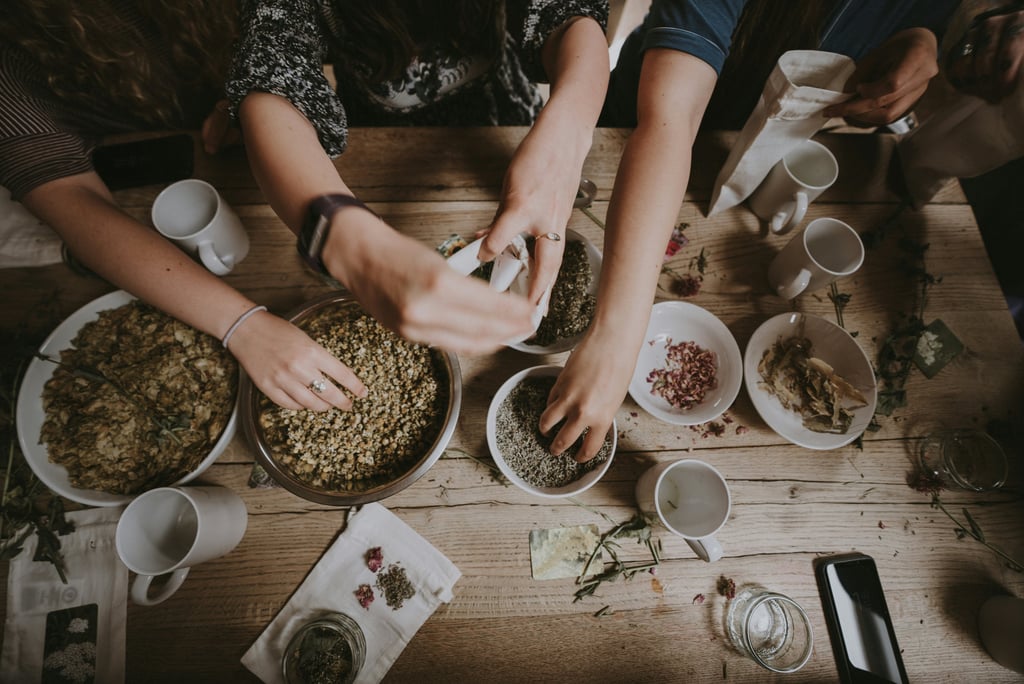
Teas are one of the most traditional and accessible ways to work with herbs. They allow the body to absorb plant compounds slowly and gently, and they encourage mindful connection with the plant.
Beginner practices to learn early:
Infusions for leaves and flowers like chamomile or lemon balm
Decoctions for roots like ginger
Proper steeping time instead of rushing
Using glass jars or ceramic mugs rather than plastic
As your confidence grows, you may explore oils, salves, or tinctures, but teas provide a strong and forgiving foundation.
4. Your Body Is Your Most Important Reference Guide
Books and courses offer valuable knowledge, but herbalism is deeply personal. Two people can use the same herb and have completely different experiences. This is why observation is such an essential skill.
Pay attention to small changes. Improved digestion. Deeper sleep. Subtle shifts in mood or energy. These are signs that herbs are working gently in the background.
Beginner practice to adopt:
Keep a simple herbal journal. Write down what herb you used, how you prepared it, and how you felt that day. Even a few words is enough.
Over time, this practice builds confidence and helps you trust your own experience rather than relying solely on outside advice.
5. Herbalism Is a Lifestyle Practice, Not a Quick Fix
Herbs are most effective when they are part of a larger rhythm of care. They support the body best when paired with rest, nourishing food, hydration, and gentle movement.
Herbalism is not about replacing medical care or forcing the body to heal faster than it is ready to. It is about creating space for the body to do what it already knows how to do.
Beginner practice to remember:
Use herbs as support, not pressure. Short term use for specific needs is often more effective than taking everything all the time.
Herbalism teaches patience. And in that patience, real healing often begins.
A Few Gentle Truths Every Beginner Herbalist Should Hear
You do not need to rush.
You do not need an overflowing apothecary.
You do not need to get it perfect.
You only need curiosity, respect for the plants, and a willingness to listen.
Herbalism is not about doing more. It is about doing less with intention.
Where to Begin Right Now
If you are just starting, choose one gentle herb. Make a simple tea. Sit with it. Notice how it tastes. Notice how your body feels over the next few days.
Let that be enough.
Your herbal practice will grow naturally, in its own time. The plants are patient, and they will meet you exactly where you are 🌱
Emillee’s Hearth
Simple herbalism for slow, intentional living
Emillee’s Herbs is a gentle space for beginner friendly herbalism rooted in tradition, curiosity, and care. Here you’ll find approachable ways to work with plants safely, confidently, and with intention.
Disclaimer
The information shared on this blog is for educational and informational purposes only and is not intended to diagnose, treat, cure, or prevent any disease. Always consult a qualified healthcare provider before starting any new herbal practice, especially if you are pregnant, nursing, taking medication, or managing a health condition.
Privacy Policy
Terms of Use
© 2026 Emillee’s Herbs. All rights reserved.ur text here...